
When it comes to the culinary world, mushrooms are a versatile and beloved ingredient. They add depth, umami, and a unique texture to a wide range of dishes. As a supplier of Mushroom in Bottles, I often receive inquiries about the shelf life of unopened bottles of mushrooms. In this blog post, I'll dive into the factors that influence the shelf life of these preserved mushrooms and provide some guidance on how to ensure you're getting the most out of your products.
Understanding Shelf Life
Shelf life refers to the length of time a product can be stored under specific conditions while maintaining its quality, safety, and nutritional value. For unopened bottles of mushrooms, several factors come into play when determining their shelf life.
Processing and Preservation Methods
The way mushrooms are processed and preserved significantly impacts their shelf life. Most commercially available bottled mushrooms undergo a canning process, which involves heating the mushrooms in a sealed container to kill bacteria, yeasts, and molds. This method helps to extend the shelf life of the mushrooms by preventing spoilage.
At our company, we use state-of-the-art canning techniques to ensure the highest quality and longest shelf life for our Mushroom in Bottles. Our mushrooms are carefully selected, cleaned, and packed in airtight bottles before being subjected to a precise heat treatment. This process not only preserves the mushrooms' flavor and texture but also helps to maintain their nutritional value.
Storage Conditions
Proper storage is crucial for maintaining the shelf life of unopened bottles of mushrooms. Ideally, these products should be stored in a cool, dry place away from direct sunlight and heat sources. The recommended storage temperature for bottled mushrooms is between 50°F and 70°F (10°C and 21°C).
Exposure to high temperatures can cause the mushrooms to spoil more quickly, while extreme cold can affect their texture and flavor. Additionally, storing the bottles in a humid environment can lead to the growth of mold and bacteria, reducing the shelf life of the product.
Quality of Ingredients
The quality of the mushrooms used in the bottling process also plays a role in determining their shelf life. Fresh, high-quality mushrooms are less likely to spoil quickly and will generally have a longer shelf life than mushrooms that are past their prime.
At our company, we source our mushrooms from trusted growers who adhere to strict quality standards. We carefully inspect each batch of mushrooms to ensure they are fresh, firm, and free from any signs of damage or decay. By using only the highest quality ingredients, we can guarantee that our Mushroom in Bottles have a long shelf life and maintain their delicious flavor and texture.

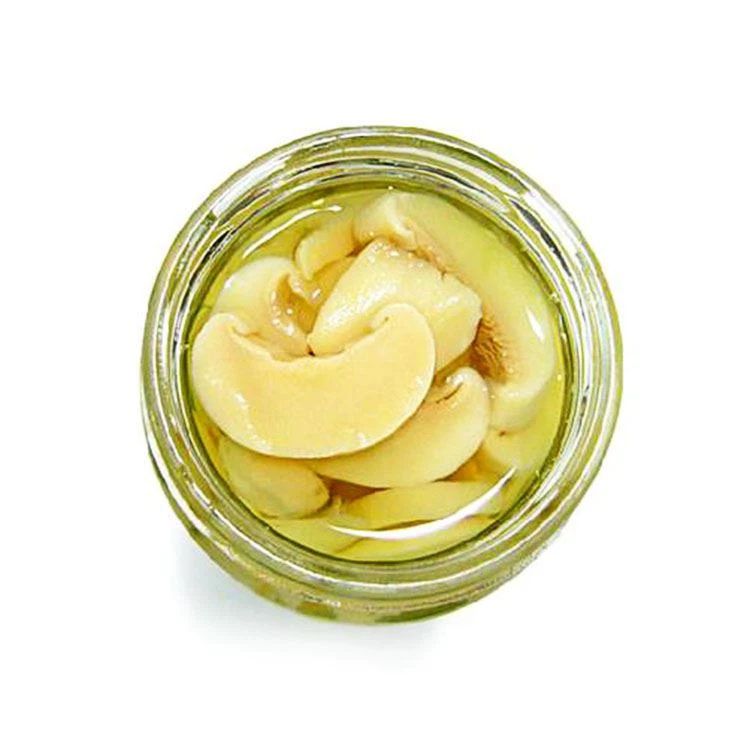
Typical Shelf Life of Unopened Bottles of Mushrooms
Under optimal storage conditions, unopened bottles of mushrooms can typically last for 1 to 5 years. However, it's important to note that this is just a general guideline, and the actual shelf life may vary depending on the factors mentioned above.
Most commercially available bottled mushrooms will have a "best by" or "use by" date printed on the label. This date indicates the manufacturer's estimate of how long the product will maintain its quality and flavor. While it's generally safe to consume bottled mushrooms after this date, the quality may start to decline over time.
Signs of Spoilage
Even though unopened bottles of mushrooms have a relatively long shelf life, it's still important to check for signs of spoilage before consuming them. Some common signs of spoilage in bottled mushrooms include:
- Bulging or leaking bottles: A bulging or leaking bottle is a clear indication that the product has been contaminated and should not be consumed.
- Off smell or odor: If the mushrooms have a foul or unpleasant smell, it's a sign that they have spoiled and should be discarded.
- Mold or discoloration: The presence of mold or unusual discoloration on the mushrooms is another sign of spoilage.
- Cloudy or murky liquid: If the liquid in the bottle appears cloudy or murky, it may indicate the presence of bacteria or other contaminants.
If you notice any of these signs, it's best to err on the side of caution and discard the bottle of mushrooms.
Extending the Shelf Life of Opened Bottles of Mushrooms
Once a bottle of mushrooms has been opened, its shelf life will be significantly reduced. To extend the shelf life of opened bottles of mushrooms, it's important to follow these tips:
- Refrigerate promptly: After opening the bottle, transfer the remaining mushrooms and liquid to a clean, airtight container and refrigerate them immediately.
- Use within a few days: Opened bottles of mushrooms should be consumed within 3 to 5 days to ensure their freshness and quality.
- Store in the refrigerator: Keep the opened container of mushrooms in the refrigerator at a temperature of 40°F (4°C) or below.
- Avoid cross-contamination: Use clean utensils when handling the mushrooms to prevent cross-contamination and the growth of bacteria.
Other Mushroom Products and Their Shelf Life
In addition to Mushroom in Bottles, we also offer other mushroom products, such as Canned Mushroom with Easy Open Lid and Mushroom in Tins. These products also have a relatively long shelf life when stored properly.
Like bottled mushrooms, canned mushrooms with easy open lids and mushrooms in tins should be stored in a cool, dry place away from direct sunlight and heat sources. Under optimal storage conditions, these products can typically last for 1 to 5 years.
Conclusion
As a supplier of Mushroom in Bottles, I understand the importance of providing high-quality products with a long shelf life. By using the latest canning techniques, sourcing the freshest ingredients, and following proper storage guidelines, we can ensure that our customers receive mushrooms that are delicious, nutritious, and safe to consume.
If you're interested in learning more about our mushroom products or would like to discuss a potential partnership, please don't hesitate to reach out. We're always happy to answer any questions you may have and look forward to the opportunity to work with you.
References
- USDA Food Safety and Inspection Service. (n.d.). Canned Foods: A Safe and Nutritious Choice. Retrieved from https://www.fsis.usda.gov/food-safety/safe-food-handling-and-preparation/food-safety-basics/canned-foods-safe-and-nutritious-choice
- Food and Drug Administration. (n.d.). Canned Foods: What You Need to Know. Retrieved from https://www.fda.gov/food/buy-store-serve-safe-food/canned-foods-what-you-need-know
- University of California Agriculture and Natural Resources. (n.d.). Canning Mushrooms. Retrieved from https://ucanr.edu/sites/smcmg/files/204743.pdf