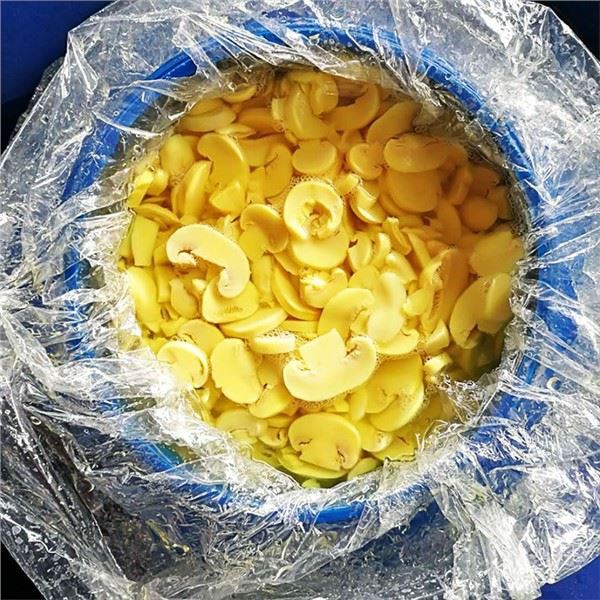

Mushrooms have long been a staple in various cuisines around the world, prized for their unique flavors and textures. When preserved in vinegar, mushrooms take on a whole new dimension, offering a tangy and versatile ingredient that can elevate a wide range of dishes. As a supplier of Mushroom In Vinegar, I am often asked about the texture of these preserved mushrooms. In this blog post, I will delve into the intricacies of the texture of mushroom in vinegar, exploring how it is influenced by factors such as the type of mushroom, the preservation process, and the duration of storage.
Understanding the Basics of Mushroom Texture
Before we discuss the texture of mushrooms in vinegar, it's important to understand the natural texture of mushrooms. Fresh mushrooms typically have a firm, yet tender texture. The texture can vary depending on the type of mushroom. For example, button mushrooms are relatively mild and have a soft, spongy texture, while shiitake mushrooms are more meaty and have a chewier consistency.
When mushrooms are preserved in vinegar, the acidic environment of the vinegar causes several changes to occur in the mushroom's structure. The acid helps to break down the cell walls of the mushrooms, which can lead to a softening of the texture. At the same time, the vinegar also acts as a preservative, helping to maintain the mushroom's shape and prevent spoilage.
The Influence of Mushroom Type on Texture
The type of mushroom used in the preservation process plays a significant role in determining the final texture of the mushroom in vinegar. Different mushrooms have different cell structures and compositions, which respond differently to the vinegar.
Button Mushrooms (Champignon)
Button mushrooms, also known as champignon, are one of the most commonly used mushrooms for preservation in vinegar. When preserved, button mushrooms tend to have a tender, almost buttery texture. The vinegar helps to enhance the natural flavor of the mushrooms while also giving them a slight tang. You can find our Whole Champignon in Vinegar and Sliced Champignon in Vinegar products, which offer different textures and usage options. Whole champignon retains a bit more of its original shape and firmness, making it great for adding to salads or as a garnish. Sliced champignon, on the other hand, has a softer texture and is ideal for use in sauces, dips, or as a topping for pizzas.


Shiitake Mushrooms
Shiitake mushrooms have a more robust and meaty texture compared to button mushrooms. When preserved in vinegar, shiitake mushrooms retain some of their chewiness, but the vinegar also helps to mellow out their strong flavor. The texture of shiitake mushrooms in vinegar can be described as firm yet tender, with a slight elasticity. They are often used in Asian-inspired dishes, such as stir-fries or noodle soups.
Oyster Mushrooms
Oyster mushrooms have a delicate and velvety texture. When preserved in vinegar, they become even softer and more tender. The vinegar enhances their natural umami flavor, making them a great addition to seafood dishes, pasta sauces, or as a filling for savory pastries.
The Preservation Process and Texture
The process of preserving mushrooms in vinegar also has a significant impact on their texture. There are several key steps in the preservation process that can affect how the mushrooms turn out.
Cleaning and Preparing the Mushrooms
Before the mushrooms are placed in vinegar, they need to be thoroughly cleaned and prepared. This involves removing any dirt or debris from the mushrooms and trimming the stems. The way the mushrooms are cut can also affect their texture. For example, slicing the mushrooms thinly will result in a softer texture compared to leaving them whole.
Vinegar Selection
The type of vinegar used in the preservation process can also influence the texture of the mushrooms. Different vinegars have different levels of acidity and flavor profiles. For example, white wine vinegar is milder and can result in a more delicate texture, while apple cider vinegar has a slightly sweeter flavor and can give the mushrooms a more complex taste. The ratio of vinegar to other ingredients, such as water, salt, and sugar, also plays a role in determining the final texture.
Cooking and Sterilization
In some cases, the mushrooms may be cooked before being placed in vinegar. This can help to further break down the cell walls and soften the texture. After the mushrooms are placed in vinegar, the jars or containers are usually sterilized to ensure that the mushrooms are properly preserved. The sterilization process can also affect the texture of the mushrooms, as the heat can cause them to shrink slightly and become more compact.
The Impact of Storage Duration on Texture
The length of time that the mushrooms are stored in vinegar can also have an impact on their texture. Over time, the acid in the vinegar continues to break down the cell walls of the mushrooms, which can lead to a further softening of the texture.
Short-Term Storage
In the first few weeks after preservation, the mushrooms will have a relatively firm texture. They will still retain some of their original shape and structure, but the vinegar will have started to infuse them with flavor. At this stage, the mushrooms are great for use in dishes where you want a bit of crunch, such as in a fresh salad or as a topping for a sandwich.
Long-Term Storage
After several months of storage, the mushrooms will become softer and more tender. The texture may become more mushy, but this can also make them more suitable for use in dishes where a softer texture is desired, such as in a puree or a creamy sauce. However, it's important to note that if the mushrooms are stored for too long, they may start to lose their flavor and become overly soft.
Using Mushroom in Vinegar in Different Dishes
The unique texture of mushroom in vinegar makes it a versatile ingredient that can be used in a wide variety of dishes. Here are some examples of how you can incorporate mushroom in vinegar into your cooking:
Salads
Mushroom in vinegar adds a tangy and flavorful element to salads. You can use whole or sliced champignon in vinegar to add a pop of color and texture to a green salad. The tender texture of the mushrooms pairs well with crisp lettuce, tomatoes, and cucumbers. You can also make a mushroom and feta salad by combining mushroom in vinegar with crumbled feta cheese, olives, and a light vinaigrette.
Sandwiches and Wraps
Sliced mushroom in vinegar is a great addition to sandwiches and wraps. It can be used as a topping for a turkey or chicken sandwich, adding a tangy and savory flavor. You can also spread a layer of mushroom in vinegar puree on a wrap and fill it with your favorite vegetables and proteins.
Sauces and Dips
Mushroom in vinegar can be blended into a smooth puree and used as a base for sauces and dips. You can add garlic, herbs, and cream to the puree to make a delicious mushroom sauce for pasta or meat. The soft texture of the mushrooms in the puree makes it easy to incorporate into other ingredients and creates a rich and flavorful sauce.
Appetizers
Our Vinegar Mushroom in Drums is a great option for serving as an appetizer. You can serve the mushrooms on a platter with some crackers or breadsticks. The tangy flavor and unique texture of the mushrooms will make them a hit at any party or gathering.
Conclusion
The texture of mushroom in vinegar is a complex and fascinating subject. It is influenced by a variety of factors, including the type of mushroom, the preservation process, and the duration of storage. As a supplier of Mushroom In Vinegar, we take great care in selecting the highest quality mushrooms and using the best preservation techniques to ensure that our products have the perfect texture and flavor.
Whether you are a professional chef or a home cook, mushroom in vinegar can be a valuable addition to your pantry. Its versatility and unique texture make it suitable for use in a wide range of dishes. If you are interested in purchasing our Mushroom In Vinegar products, we invite you to contact us for more information and to discuss your procurement needs. We look forward to serving you and helping you discover the delicious world of mushroom in vinegar.
References
- "The Science of Cooking: Understanding the Biology and Chemistry Behind Food and Cooking" by Simon Quellen Field
- "Vinegar: A Global History" by Margaret Shafer
- Various culinary research articles on mushroom preservation and texture analysis.