
As a salted mushroom supplier, I often get asked whether salted mushrooms are suitable for kids. This is a question that requires a nuanced answer, taking into account various factors such as nutritional value, potential risks, and appropriate serving sizes. In this blog post, I'll explore these aspects in detail to help parents make informed decisions about including salted mushrooms in their children's diets.
Nutritional Value of Salted Mushrooms
Mushrooms, in general, are a good source of several essential nutrients. They are low in calories and fat, making them a healthy addition to any diet. Salted mushrooms retain many of the nutritional benefits of fresh mushrooms, although the salting process does add sodium.
One of the key nutrients found in mushrooms is B - vitamins, including riboflavin, niacin, and pantothenic acid. These vitamins play a crucial role in energy metabolism, helping the body convert food into energy. They are also important for maintaining healthy skin, eyes, and a proper nervous system. For kids, who are constantly growing and need energy for physical activity and brain development, these B - vitamins are essential.
Mushrooms are also a source of minerals such as selenium, potassium, and copper. Selenium is an antioxidant that helps protect cells from damage and supports the immune system. Potassium is important for maintaining healthy blood pressure and proper muscle and nerve function. Copper is involved in the formation of red blood cells and the maintenance of a healthy immune system.
However, it's important to note that the salting process can significantly increase the sodium content of mushrooms. High sodium intake in children can lead to an increased risk of high blood pressure later in life. The American Heart Association recommends that children aged 1 - 3 years should consume no more than 1,500 mg of sodium per day, and children aged 4 - 8 years should have no more than 1,900 mg per day.
Potential Risks of Salted Mushrooms for Kids
The primary risk associated with salted mushrooms for kids is the high sodium content. Excessive sodium intake can put a strain on the developing kidneys and may lead to long - term health problems such as high blood pressure. In addition, a diet high in sodium can also increase a child's preference for salty foods, which can make it more difficult to establish healthy eating habits later in life.
Another potential risk is the presence of nitrates or nitrites in some salted mushrooms. These compounds are sometimes used as preservatives and can convert to nitrosamines in the body, which are known carcinogens. However, strict regulations are in place to limit the use of nitrates and nitrites in food products, and most reputable salted mushroom suppliers adhere to these standards.
Some children may also have an allergic reaction to mushrooms. Symptoms of a mushroom allergy can include itching, swelling, hives, difficulty breathing, and in severe cases, anaphylaxis. If a child has a known allergy to mushrooms, salted mushrooms should be avoided.
Appropriate Serving Sizes for Kids
Given the potential risks associated with the high sodium content of salted mushrooms, it's important to serve them in moderation. For younger children, a small portion, such as a few slices, can be included as part of a balanced meal. As children get older, the portion size can be slightly increased, but it should still be limited.
It's also a good idea to balance the sodium intake from salted mushrooms with other low - sodium foods. For example, serve salted mushrooms with fresh vegetables, fruits, and lean proteins. This can help reduce the overall sodium content of the meal and provide a wider range of nutrients.
Incorporating Salted Mushrooms into Kids' Diets
If you decide to include salted mushrooms in your child's diet, there are several ways to make them more appealing and nutritious. You can add them to pasta dishes, pizzas, or omelets. For a more kid - friendly option, you can make mushroom quesadillas or use them as a topping for mini - burgers.
You can also rinse salted mushrooms under cold water before using them to reduce the sodium content. This can remove some of the surface salt and make the mushrooms a bit healthier.
Our Salted Mushroom Products
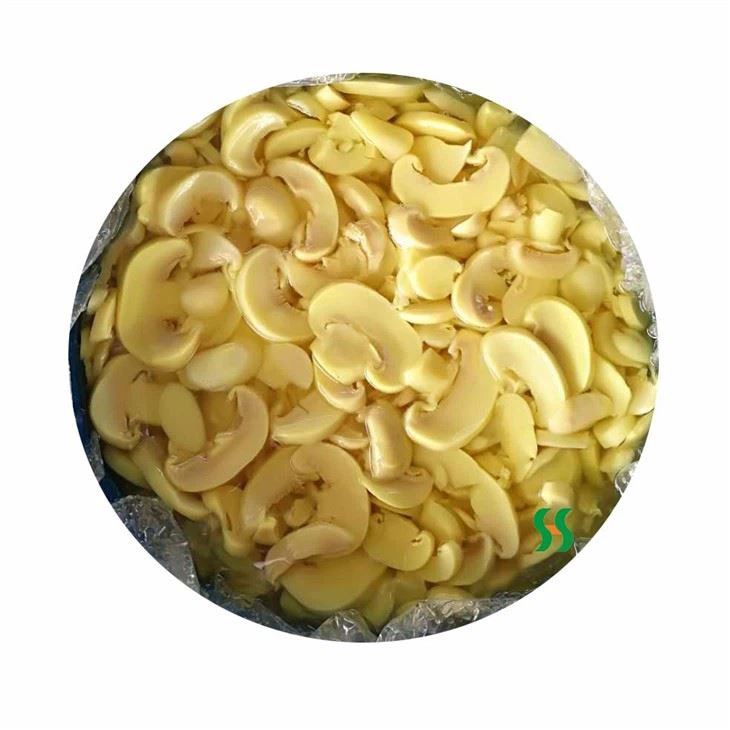
As a salted mushroom supplier, we offer a range of high - quality salted mushroom products. Our Premium Mushroom Sliced In Brine To Brazil is carefully selected and processed to ensure the best flavor and texture. The mushrooms are sliced thinly and preserved in a brine solution that enhances their taste.
Our Mushroom in Brine in 50kg Drum is a great option for larger families or for those who want to stock up. The 50kg drum ensures that you have a sufficient supply of salted mushrooms for a long time.
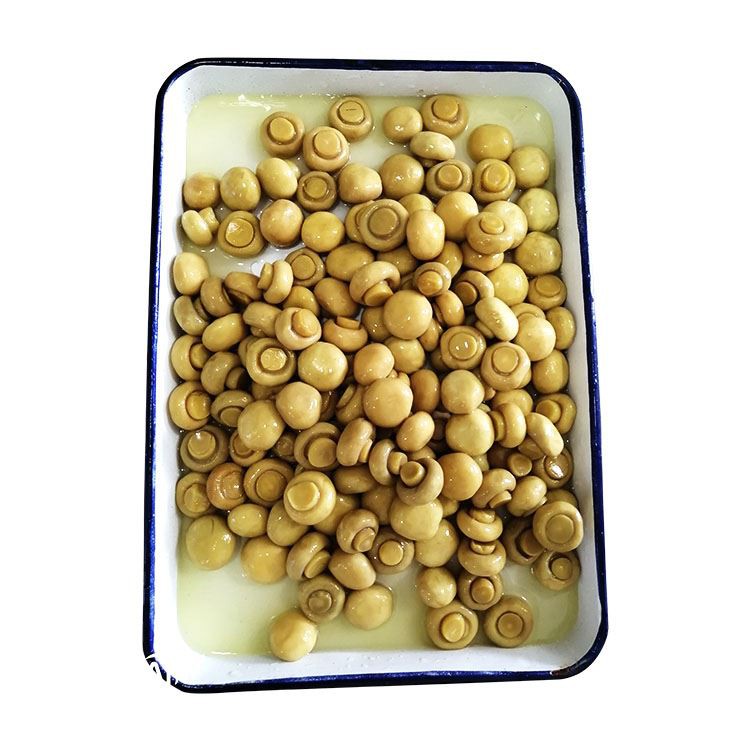
We also have Mushroom in Brine, which is available in various packaging sizes to suit different needs. Our products are made from fresh, high - quality mushrooms and are processed using strict quality control measures to ensure safety and freshness.
Conclusion
In conclusion, salted mushrooms can be suitable for kids when served in moderation. They offer several nutritional benefits, but the high sodium content needs to be carefully considered. Parents should be aware of the potential risks and take steps to ensure that their children's sodium intake is within the recommended limits.
If you're interested in purchasing our high - quality salted mushroom products, we encourage you to contact us for more information and to discuss your specific requirements. We are committed to providing the best products and services to our customers.
References
- American Heart Association. (2023). Sodium and Kids.
- National Institutes of Health. (2023). Nutrients in Mushrooms.
- Food and Drug Administration. (2023). Regulations on Nitrates and Nitrites in Food.