


Growing fresh garlic at home is a rewarding and relatively straightforward endeavor that allows you to enjoy the rich, pungent flavor of this versatile ingredient right from your own garden or even indoors. As a Fresh Garlic supplier, I've witnessed firsthand the beauty and benefits of home - grown garlic. In this blog, I'll share some comprehensive tips on how you can successfully grow fresh garlic at home.
Choosing the Right Garlic Variety
The first step in growing fresh garlic is selecting the appropriate variety. There are two main types of garlic: hardneck and softneck. Hardneck garlic typically produces larger cloves and has a more complex flavor. It also grows a scape, which is a curly flower stalk that can be harvested and used in cooking. Softneck garlic, on the other hand, is more commonly found in grocery stores. It has a longer shelf - life and is easier to braid.
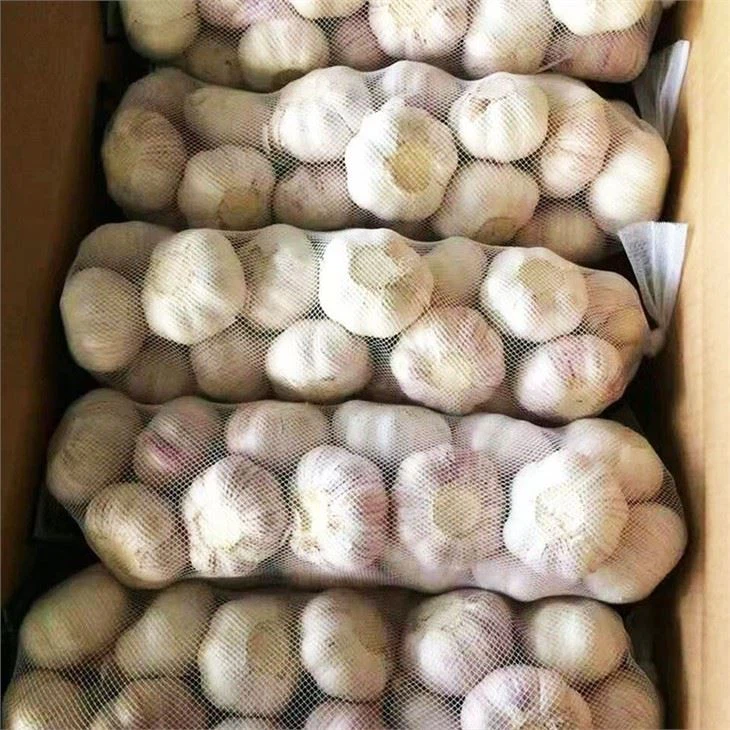
If you live in a colder climate, hardneck varieties like Rocambole or Porcelain are excellent choices as they are more cold - tolerant. For warmer regions, softneck varieties such as Artichoke or Silverskin may be more suitable. You can source high - quality garlic bulbs from local nurseries, farmers' markets, or order them online. For those interested in premium fresh garlic, you can check out our Fresh Natural Pure White Garlic, which can also serve as great planting stock.
Preparing the Planting Site
Garlic thrives in well - drained soil with plenty of sunlight. Choose a location in your garden that receives at least 6 - 8 hours of direct sunlight per day. Before planting, prepare the soil by removing any weeds, rocks, or debris. Loosen the soil to a depth of about 8 - 10 inches using a garden fork or tiller.
Garlic prefers soil with a pH between 6.0 and 7.5. You can test your soil's pH using a soil testing kit available at most garden centers. If the soil is too acidic, you can add lime to raise the pH. If it's too alkaline, sulfur can be added to lower it. Incorporate organic matter such as compost, well - rotted manure, or leaf mold into the soil. This will improve soil fertility, structure, and drainage, providing a healthy environment for your garlic plants.

Planting Garlic
Garlic is typically planted in the fall, about 4 - 6 weeks before the first hard frost. This allows the bulbs to develop roots before the ground freezes. However, in warmer climates, it can also be planted in the spring.
Separate the garlic bulbs into individual cloves, being careful not to damage the papery skin. Plant the cloves pointy end up, about 2 - 3 inches deep and 4 - 6 inches apart. Rows should be spaced about 12 - 18 inches apart. Cover the cloves with soil and gently firm the soil around them.
After planting, water the area thoroughly to settle the soil. Apply a layer of mulch, such as straw or shredded leaves, to a depth of 2 - 3 inches. Mulch helps to conserve moisture, suppress weeds, and insulate the soil during the winter months. If you're looking for high - quality fresh garlic for planting, our Fresh Garlic in Carton provides a convenient option.
Caring for Garlic Plants
Once the garlic plants emerge in the spring, they require regular care to ensure healthy growth. Water the plants deeply once a week, providing about 1 - 2 inches of water. However, be careful not to over - water, as garlic doesn't like soggy soil. During periods of heavy rain, make sure the soil has proper drainage to prevent waterlogging.
Fertilize the garlic plants about a month after they emerge. Use a balanced fertilizer, such as a 10 - 10 - 10 or 5 - 10 - 5 formula. Apply the fertilizer according to the package instructions, being careful not to over - fertilize, which can lead to excessive foliage growth at the expense of bulb development.
If you're growing hardneck garlic, you'll notice the emergence of scapes in late spring or early summer. These scapes can be removed once they start to curl. Cutting the scapes redirects the plant's energy towards bulb development, resulting in larger bulbs. You can use the scapes in various recipes, such as stir - fries, pesto, or salads.
Keep an eye out for pests and diseases. Common pests that affect garlic include aphids, thrips, and onion maggots. You can use insecticidal soaps or neem oil to control these pests. Diseases such as white rot and downy mildew can also occur. To prevent diseases, practice crop rotation, avoid over - watering, and keep the garden area clean by removing any diseased plant material.
Harvesting Garlic
Garlic is ready to be harvested when the lower leaves turn yellow and start to dry. This usually occurs in mid - to late summer, depending on the variety and planting time. To check if the garlic is ready, gently dig up one or two bulbs. If the cloves are well - formed and the skins are papery, it's time to harvest.
Use a garden fork or spade to carefully lift the bulbs from the soil. Be careful not to damage the bulbs. Once the bulbs are out of the ground, brush off any excess soil. Do not wash the bulbs, as this can increase the risk of rot.
Curing and Storing Garlic
After harvesting, the garlic needs to be cured to improve its flavor and storage life. Hang the garlic bulbs in a well - ventilated area, such as a garage or shed, for about 2 - 3 weeks. The curing process allows the outer skins to dry and harden, protecting the cloves inside.
Once the garlic is cured, you can remove the roots and the tops. Store the garlic in a cool, dry, and dark place. You can store the bulbs in mesh bags, baskets, or braid them together. Properly stored garlic can last for several months.
If you're interested in purchasing high - quality fresh garlic for your home or for resale, we offer Purely White Fresh Garlic that meets the highest standards of freshness and quality. Whether you're a home gardener looking for planting stock or a business owner in need of bulk garlic, we're here to provide you with the best products.
If you're interested in discussing procurement options or have any questions about our fresh garlic products, feel free to reach out. We're eager to engage in meaningful conversations and help you meet your garlic needs.
References
- "Garlic: A Global History" by Ted J. Kerasote
- "The Vegetable Gardener's Bible" by Edward C. Smith
- "Rodale's Ultimate Encyclopedia of Organic Gardening" by Fern Marshall Bradley, Barbara W. Ellis, and Deborah L. Martin


