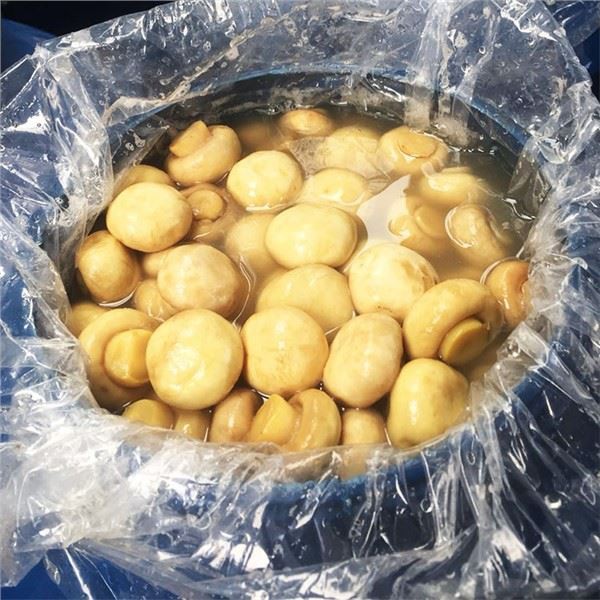

Stropharia in brine is a delightful and versatile ingredient that adds a unique flavor and texture to various dishes. As a supplier of Stropharia in brine, I understand the importance of proper storage to maintain its quality and freshness. In this blog post, I will share some valuable storage tips for unopened Stropharia in brine to ensure that you can enjoy its deliciousness for an extended period.
Understanding the Nature of Stropharia in Brine
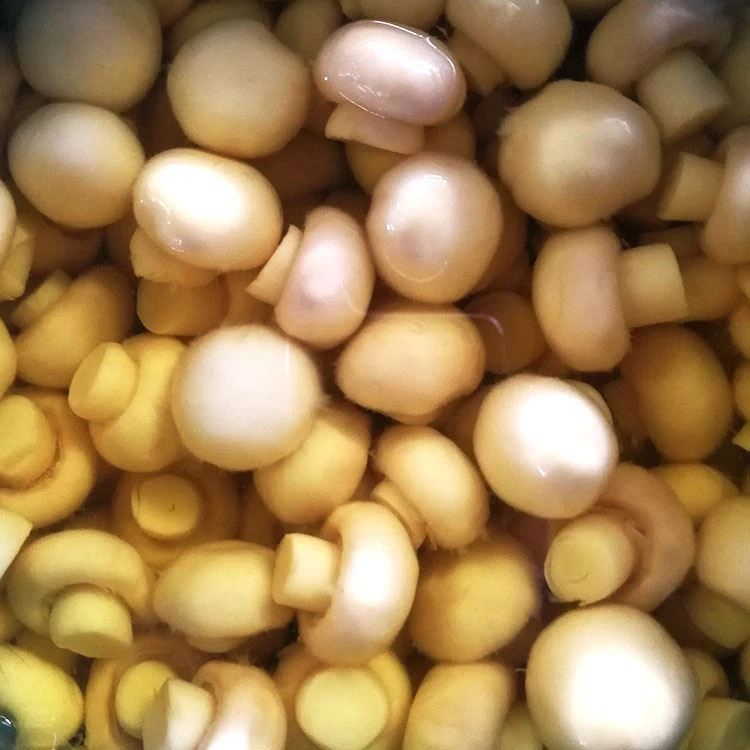
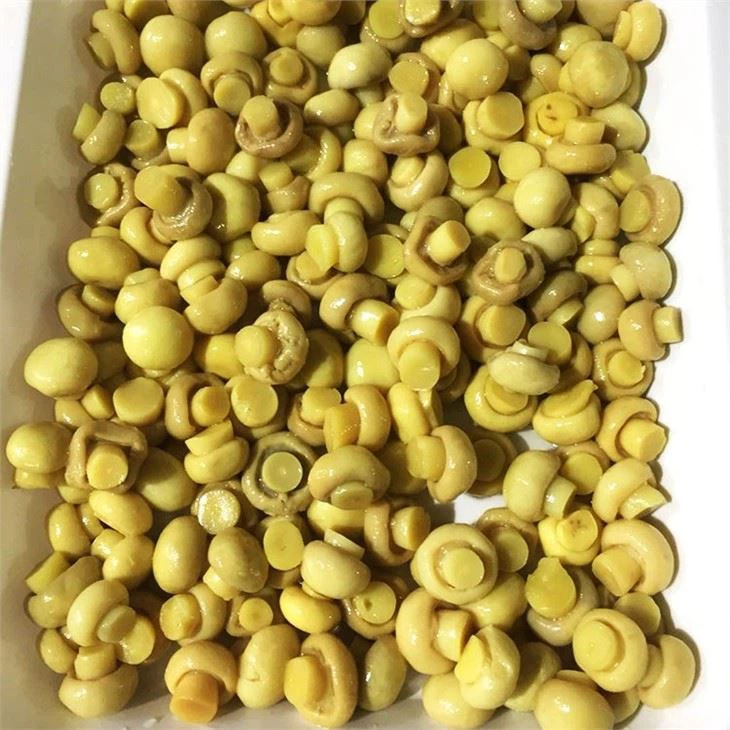
Before delving into the storage tips, it's essential to understand the nature of Stropharia in brine. Stropharia, also known as the wine cap mushroom, is preserved in a brine solution, which typically consists of water, salt, and sometimes other additives such as vinegar or citric acid. The brine serves as a preservative, inhibiting the growth of bacteria, mold, and yeast, and helping to maintain the mushroom's texture and flavor.
Ideal Storage Conditions
The key to storing unopened Stropharia in brine is to maintain the ideal temperature and environment. Here are some guidelines to follow:
Temperature
Unopened Stropharia in brine should be stored in a cool, dry place away from direct sunlight. The ideal temperature range for storage is between 40°F (4°C) and 50°F (10°C). This temperature range helps to slow down the growth of microorganisms and preserve the quality of the mushrooms. Avoid storing the product in areas that are subject to extreme temperature fluctuations, such as near heating vents or in the freezer.
Humidity
The storage area should have low humidity to prevent the growth of mold and mildew. High humidity can cause the brine to become cloudy and the mushrooms to develop an off-flavor. Aim for a relative humidity of around 50% to 60%. If necessary, you can use a dehumidifier to control the humidity in the storage area.
Light
Direct sunlight can cause the mushrooms to discolor and lose their flavor. Store the unopened Stropharia in brine in a dark place, such as a pantry or a cellar. If you need to store the product in a well-lit area, use opaque containers or cover the jars with a cloth to protect them from light.
Storage Containers
The choice of storage container can also affect the quality and shelf life of Stropharia in brine. Here are some tips for selecting the right container:
Glass Jars
Glass jars are an excellent choice for storing Stropharia in brine because they are non-reactive and do not absorb odors or flavors. Make sure the jars are clean and dry before filling them with the mushrooms and brine. Use jars with tight-fitting lids to prevent air and moisture from entering the container.
Plastic Containers
Plastic containers can also be used for storing Stropharia in brine, but they should be made of food-grade plastic and have a tight-fitting lid. Avoid using plastic containers that are prone to cracking or warping, as this can allow air and moisture to enter the container and spoil the product.
Metal Containers
Metal containers are not recommended for storing Stropharia in brine because they can react with the acid in the brine and cause the mushrooms to develop an off-flavor. If you must use a metal container, make sure it is lined with a food-grade coating to prevent corrosion.
Checking for Quality
Even when stored properly, it's important to check the quality of the unopened Stropharia in brine periodically. Here are some signs to look for:
Cloudy Brine
If the brine in the container appears cloudy or has a strange odor, it may be a sign of spoilage. Cloudy brine can be caused by the growth of bacteria or mold, or by the breakdown of the mushrooms. Discard the product if the brine is cloudy or has an off-odor.
Mold or Mildew
If you see any signs of mold or mildew on the surface of the mushrooms or in the brine, discard the product immediately. Mold and mildew can produce toxins that can be harmful to your health.
Bulging Lids
If the lid of the container is bulging or appears to be swollen, it may be a sign of spoilage. Bulging lids can be caused by the growth of bacteria or yeast, which produce gas as they grow. Discard the product if the lid is bulging or swollen.
Shelf Life
The shelf life of unopened Stropharia in brine can vary depending on the storage conditions and the quality of the product. In general, unopened Stropharia in brine can be stored for up to one year if stored in a cool, dry place away from direct sunlight. However, it's always a good idea to check the expiration date on the product label and use the product before the expiration date.
Other Related Products
If you're interested in exploring other types of mushrooms in brine, we also offer Fresh Agaricus In Brine, Shimeji Mushroom in Brine, and Champing Agaricus in Brine. These products are also preserved in a brine solution and offer a delicious and convenient way to add mushrooms to your favorite dishes.
Conclusion
Proper storage is essential for maintaining the quality and freshness of unopened Stropharia in brine. By following the tips outlined in this blog post, you can ensure that your Stropharia in brine stays delicious and safe to eat for an extended period. If you have any questions or would like to learn more about our Stropharia in brine or other mushroom products, please don't hesitate to contact us. We're always happy to help you with your procurement needs and provide you with the best quality products and service.
References
- "Mushroom Storage and Preservation." University of California Cooperative Extension.
- "Food Storage Guidelines." United States Department of Agriculture.
- "Safe Handling of Canned Foods." Food Safety and Inspection Service, United States Department of Agriculture.