
If you’ve ever walked through a traditional European food market, or browsed the preserved goods section of an Asian grocery store, you’ve likely encountered salted mushrooms—fermented, brined fungi that pack a umami-rich punch, extend shelf life for months, and turn a simple dish into something special. As a salted mushroom supplier, I get asked this question all the time: what exactly is the process of dry-salting mushrooms? It’s not just sprinkling salt on fungi and calling it a day, I can tell you. There’s a delicate, science-backed method that balances food safety, flavor, and texture, and it’s been used for centuries to preserve one of nature’s most versatile ingredients. Let’s break it down step by step, so you’ll understand exactly what goes into every jar, drum, or package of salted mushrooms you pick up.
First, you have to start with the right mushrooms. Not all fungi are created equal when it comes to dry-salting, and picking the wrong ones can lead to a mushy, overly salty, or unsafe product. We source our mushrooms from trusted farms that specialize in varieties ideal for this process: shiitake, button mushrooms (champignons), shimeji, stropharia, and more. Each has its own properties that work for dry-salting—they have a firm texture, high enough water content that they’ll ferment gently but not break down, and natural compounds that play well with salt. For example, shiitake has a deep, earthy flavor that amplifies when preserved, which is why our link to Shiitake Mushroom in Brine is one of our most popular products for home cooks and restaurant chefs alike. We only use fresh, mature mushrooms that are free of blemishes, mold, or insect damage—any off spots can ruin an entire batch during the salting process.

The first actual step in the dry-salting process is preparation. Once we get the mushrooms to our facility, we sort them by size and type, because smaller mushrooms or sliced pieces will absorb salt faster than large, whole ones. We give them a gentle rinse to remove any dirt or debris, but we’re careful not to soak them—excess water on the surface would dilute the salt, which is key to the preservation. After rinsing, we pat them completely dry with clean cloths (no paper towels, which leave lint) to make sure they’re just moist, not wet. Then, we cut them to the size the client wants: whole for stropharia or shimeji, sliced for shiitake, or quartered for button mushrooms. This step is important because it ensures every piece is exposed evenly to the salt, so no part of the mushroom is under-salted (which would lead to spoilage) or over-salted (which would make the product too harsh to eat).
Next comes the core of dry-salting: the salting layer. Unlike brining where you submerge mushrooms in a salt water solution, dry-salting relies on the osmotic pressure created by salt pulling moisture out of the mushrooms. Here, we follow a traditional ratio that’s been tested and refined over years: for every 10 pounds of prepared mushrooms, we use about 1.5 to 2 pounds of non-iodized salt. Iodized salt has additives that can make the mushrooms turn dark and develop an off-flavor, so we always use pure canning salt or sea salt—no extra chemicals. We lay a thin layer of salt on the bottom of a food-grade, airtight container (we use food-grade plastic drums for bulk orders, which is why our Mushroom in Brine in 50kg Drum option is perfect for restaurants and food manufacturers), then add a layer of mushrooms, making sure not to overcrowd them. We repeat this layering process—salt, mushrooms, salt, mushrooms—until the container is full. The final top layer is a thick blanket of salt to cover all the mushrooms completely, which seals them off from air.
Once the layers are set, we put a weighted lid on top of the container. The weight is crucial here because it helps press the moisture out of the mushrooms faster. As the salt pulls water out of the fungi, it creates a natural brine at the bottom of the container—this is key for both preservation and flavor. The water that’s drawn out mixes with the salt to create a concentrated brine that submerges all the mushrooms, which prevents air from getting in and allows the fermentation process to start. Fermentation is a natural part of this process, by the way—good bacteria that’s on the surface of the mushrooms feed on the sugars in the fungi, creating lactic acid, which lowers the pH of the brine and makes the environment too acidic for harmful bacteria to grow. That’s what makes dry-salted mushrooms safe to eat for months without refrigeration, as long as the process is done correctly.
Now, the waiting period begins—and this is where patience is a virtue. We store the containers in a cool, dark place, between 50 and 60 degrees Fahrenheit (10 to 15 degrees Celsius). If the temperature is too warm, the mushrooms will ferment too quickly, leading to a sour or spoiled taste; if it’s too cold, the fermentation will stop, and the mushrooms won’t preserve properly, plus they’ll develop a bland, watery texture. We let the mushrooms sit for 4 to 6 weeks, checking on them every few days to make sure the brine is fully covering all the mushrooms. If any pieces float to the top, we press them back down with a clean, food-safe weight to keep them submerged—exposure to air can cause mold, which is the last thing we want. During this time, the mushrooms will shrink a little (that’s normal, because they’re losing moisture), and their flavor will deepen and become more concentrated. You can really taste the difference here—raw mushrooms are mild, but after dry-salting, they have that tangy, umami kick that makes salted mushrooms so versatile.
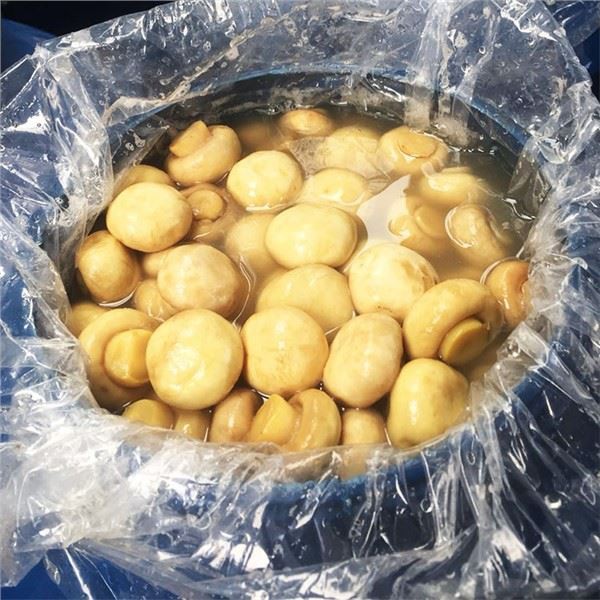
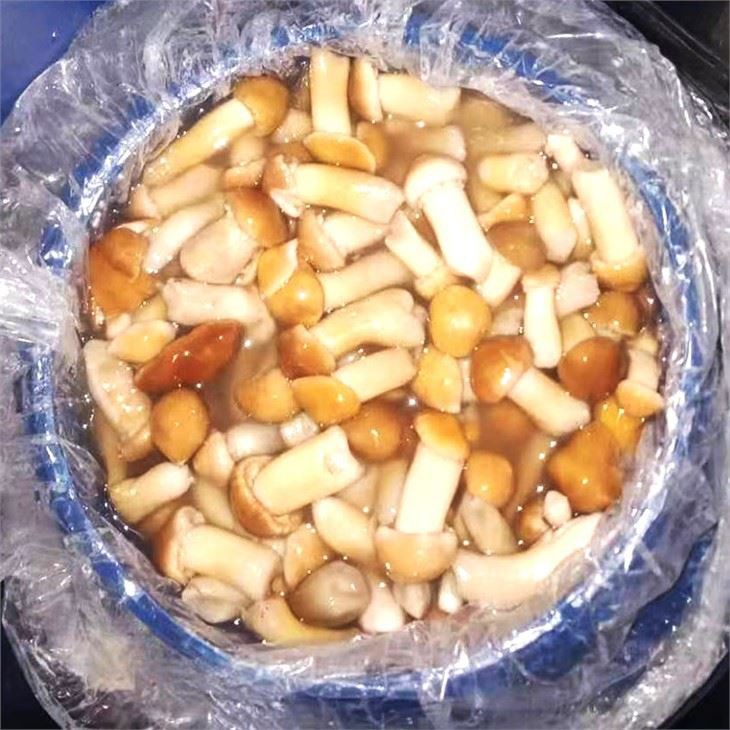
After the waiting period, we do a quality check to make sure the mushrooms are ready. We look for a few things: the brine is clear (not cloudy, which would mean bad fermentation), the mushrooms are firm (not mushy), and they have a mild, tangy smell (no off or rotten odors). If they pass, we drain them from the original brine and rinse them lightly to remove excess surface salt. We don’t want the mushrooms to be too salty for our customers, so we adjust the salt level by rinsing, then we pack them in fresh, clean brine that we prepare separately (same ratio of salt to water, pure salt, no additives) to ensure they stay preserved. Then, we pack them into the final packaging, depending on what the customer ordered. For example, our Mushroom Champignons Whole in Brine is perfect for salads, pizzas, or pasta dishes, because the whole button mushrooms hold their shape well during cooking. We also have Shimeji Mushroom in Brine, which has a delicate, nutty flavor that’s great in stir-fries or soups.
Wait, a common question I get is: what’s the difference between dry-salting and regular brining? A lot of people mix them up, so let me clarify. Dry-salting starts with layering salt and mushrooms, letting the salt draw out moisture to make a natural brine, while regular brining is when you make the brine first, then add the mushrooms. Dry-salting is more traditional for many types of mushrooms, especially for preserving large batches for long periods, because it creates a thicker, more concentrated brine that’s more effective at preventing spoilage. It also gives the mushrooms a deeper, more concentrated flavor, whereas regular brining can make them taste more watery and less intense. That’s why as a supplier, we stick with dry-salting for our core products—our customers tell us the flavor is far superior to mushroom products made with regular brining, and they love that the texture stays firm even after being preserved.
Another thing to note: food safety is non-negotiable in this process. We follow all local food safety guidelines, and we make sure that all our equipment is cleaned and sanitized before use. We never use mushrooms that are past their prime, because even one bad mushroom can contaminate an entire batch. Also, once the mushrooms are packed, we recommend storing them in a cool, dark place (or refrigerating them after opening) to keep them fresh. Our bulk 50kg drum products are designed for commercial use, so restaurants and food manufacturers can open a drum and use as needed, knowing the mushrooms will stay good for months as long as the container is sealed tightly.
I’ve been in the salted mushroom business for over 15 years, and I’ve seen how people use our products—from home cooks adding them to their favorite pasta sauce, to restaurants using them in signature dishes, to food manufacturers incorporating them into ready-to-eat meals. The process of dry-salting is part of why our products are so popular; it’s a time-honored method that balances tradition with science, and it’s what gives our mushrooms that unique, rich flavor. If you’re a restaurant chef looking for a reliable supplier, a food manufacturer needing bulk quantities, or even a home cook who wants high-quality salted mushrooms for your recipes, we have options to fit your needs. We offer whole, sliced, and various mushroom varieties—shiitake, button, shimeji, stropharia, all processed using the same careful dry-salting method we talked about here.
If you’re interested in learning more about our specific products, you can check out our pages for each variety: Shiitake Mushroom in Brine, Mushroom in Brine in 50kg Drum for bulk orders, Mushroom Champignons Whole in Brine for whole mushroom applications, Shimeji Mushroom in Brine for delicate nutty flavors, and Stropharia in Brine for their firm, meaty texture. Every product is made with the same attention to detail, from sourcing the freshest mushrooms to following the dry-salting process step by step. Whether you’re a seasoned professional or just starting out using salted mushrooms, we can work with you to find the right product for your needs.
If you’re ready to discuss a bulk order, ask about minimum quantities, or get more details about our production process, we’d love to hear from you. We’re committed to providing high-quality, safe salted mushrooms that meet the needs of our customers, and we’re always here to answer any questions you might have. Don’t hesitate to reach out to start a conversation about how our salted mushrooms can work for your business or your kitchen.
References
- Food and Agriculture Organization of the United Nations (FAO). Traditional Methods for Preserving Mushrooms. Rome: FAO, 2019.
- Camfield, A. and O’Hagan, K. Science of Brining and Dry-Salting for Food Preservation. Journal of Food Science and Technology, vol. 56, no. 3, 2019, pp. 1245-1256.
- European Food Safety Authority (EFSA). Guidelines for Fermented and Salted Mushroom Production. Parma: EFSA, 2021.
- Singh, R. and Singh, P. Mushroom Preservation: Traditional and Modern Techniques. International Journal of Food Microbiology, vol. 276, 2018, pp. 45-58.