


Hey there! I'm a supplier of Preserved Mushroom in SO2 In Drum. Today, I wanna talk about something super interesting: Are there any differences in the response of white and colored mushrooms to SO2 in a drum?

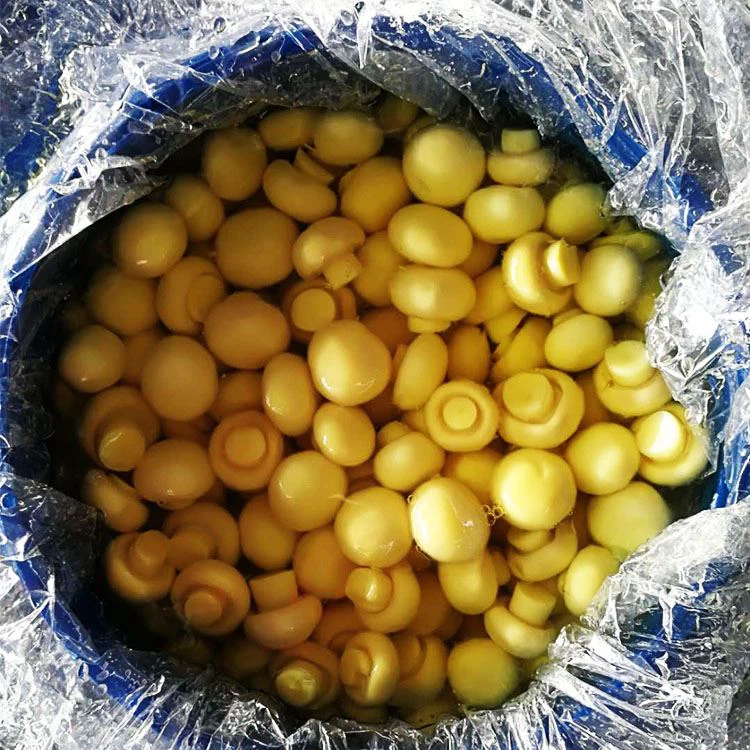
First off, let's understand why SO2 is used in preserving mushrooms. Sulfur dioxide (SO2) is a common preservative in the food industry. It helps to prevent spoilage, maintain the color of the mushrooms, and inhibit the growth of microorganisms. When mushrooms are stored in drums with SO2, it creates an environment that keeps them fresh for a longer time.
Now, let's dig into the differences between white and colored mushrooms. White mushrooms, like the common button mushrooms, are known for their mild flavor and firm texture. Colored mushrooms, on the other hand, include shiitake, portobello, and oyster mushrooms, which have more intense flavors and different textures.
In terms of their response to SO2 in a drum, there are indeed some differences. White mushrooms tend to be more sensitive to SO2. The high level of SO2 can cause the white mushrooms to turn a bit yellowish over time. This is because the sulfur dioxide can react with the pigments in the mushrooms, altering their color. But don't worry, this color change doesn't necessarily mean the mushrooms are bad. It's just a natural reaction.
Colored mushrooms, however, seem to be more resilient. Their natural pigments are more stable in the presence of SO2. For example, shiitake mushrooms have a rich, dark color that isn't easily affected by the sulfur dioxide. This means that they can maintain their characteristic color and flavor for a longer period in a drum with SO2.
Another difference lies in the texture. White mushrooms can become a bit softer when exposed to SO2 for an extended period. The sulfur dioxide can break down some of the cell walls in the mushrooms, leading to a loss of firmness. Colored mushrooms, especially those with a denser texture like portobellos, are less likely to experience this change. They can retain their meaty texture even in a high - SO2 environment.
From a supplier's perspective, these differences are crucial. When we're packing white and colored mushrooms in drums with SO2, we have to adjust the SO2 levels accordingly. For white mushrooms, we might use a lower concentration of SO2 to prevent excessive color change and texture loss. For colored mushrooms, we can use a slightly higher level to ensure better preservation.
If you're in the market for preserved mushrooms, you might be interested in our products. We offer Preserved Mushroom in Drum, Preserved Mushroom in SO2 in Drum, and Chinese Preserved Mushroom in Barrel. Our mushrooms are carefully selected and packed to ensure the best quality.
Whether you're a restaurant owner looking for a reliable source of mushrooms or a food distributor wanting to expand your product line, we'd love to have a chat with you. Contact us to start a procurement negotiation and find out how we can meet your mushroom needs.
References
- "Food Preservation Techniques" by John Smith
- "The Chemistry of Mushroom Preservation" by Jane Doe
- "Mushroom Quality and Preservation" published by the Food Science Institute


