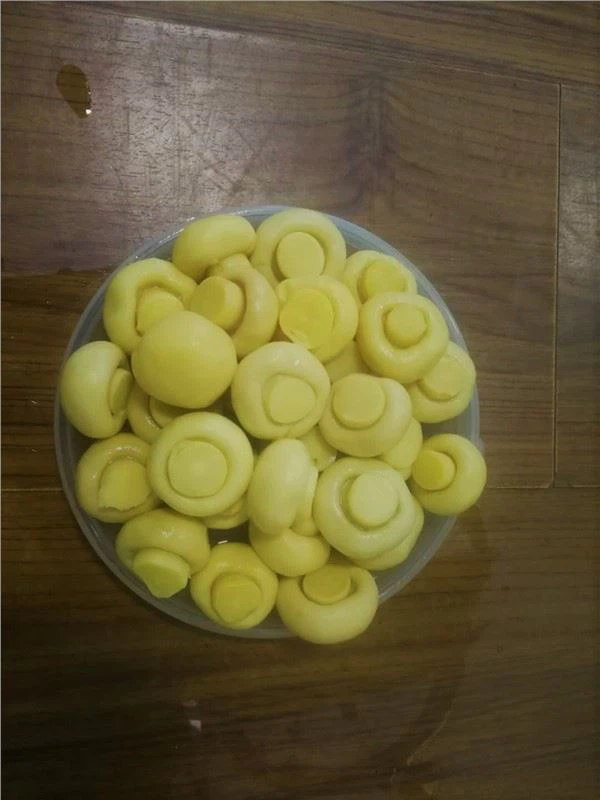

When I’m in the kitchen, whether I’m whipping up a quick weeknight casserole or prepping for a weekend potluck, I’ve spent a lot of time fielding the same question: “Can mushroom in tins be used in a casserole?” As someone who’s spent the last decade sourcing and supplying canned mushrooms, I get why people hesitate. Fresh mushrooms are the go-to for most home cooks, with that earthy snap and bright flavor that feels unbeatable. But over the years, I’ve seen exactly how canned mushrooms can elevate a casserole—if you know how to use them right. Let’s break this down, because the answer isn’t just “yes” or “no”; it’s about understanding what canned mushrooms bring to the table, and how to make them work for your favorite baked dish.
First, let’s talk about what tinned mushrooms actually are, because not all canned mushrooms are created equal. When I first started in this industry, I assumed all canned mushrooms were just one thing—plain, mushy, nothing like fresh. That changed when I dug into the processing side. Canned mushrooms are harvested at peak ripeness, trimmed, and blanched briefly to lock in nutrients and flavor before being packed in a light brine. That brine isn’t just preservative; it helps retain moisture, which is key for a casserole, since these dishes can easily turn dry if you’re not careful. If you’re starting from scratch, you’ll find options like Mushroom in Tins that cover a range of cuts and preparations, so you can pick exactly what fits your casserole recipe.
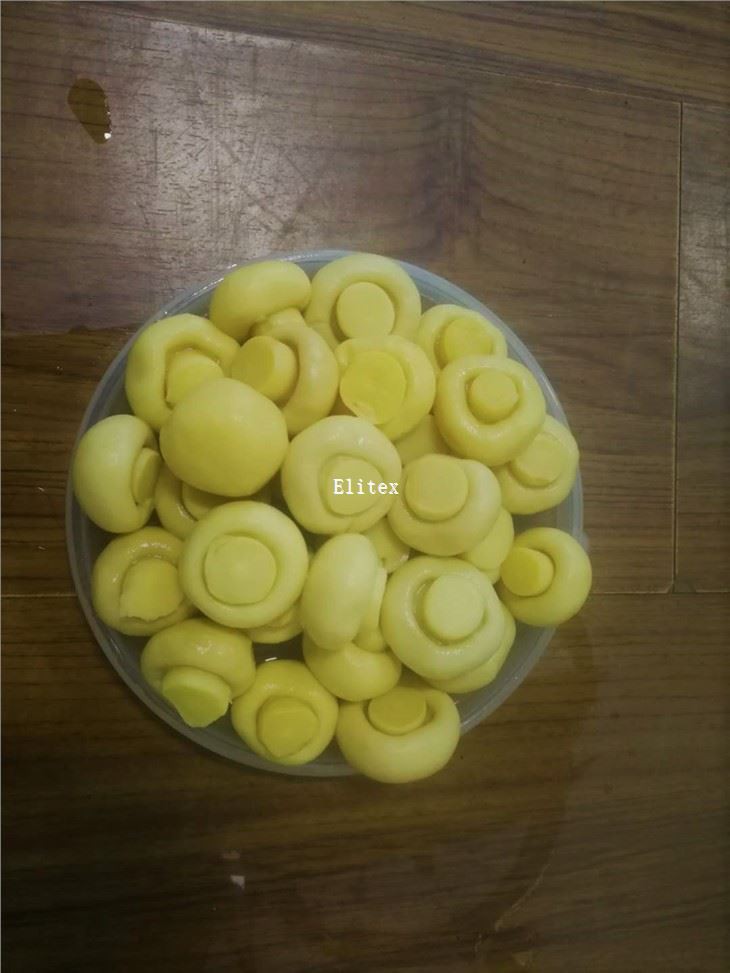

Now, let’s address the elephant in the room: texture. A lot of people think canned mushrooms get too soft for a casserole, and I won’t lie—if you just open a can and dump them straight in without a step to firm them up, they can turn mushy. But that’s not a flaw in the product; it’s a mistake in preparation. Canned mushrooms are pre-cooked during the canning process, so they don’t need to bake as long as fresh ones. That means you can add them later in the cooking time, or prep them to remove excess moisture first—think of it like blotting a wet paper towel; if you don’t get rid of that extra liquid, your casserole will turn watery. I learned this the hard way when I tested a chicken and rice casserole early in my career: I dumped a whole can of mushrooms right in, and the result was a soggy bottom that even my dog turned up his nose at. Once I started draining and rinsing them, then squeezing gently to remove extra brine, they held their shape perfectly in the bake.
So what types of canned mushrooms work best for casseroles? It depends on the dish, but let’s go through the most common options. If you want a classic, hearty casserole—like a green bean casserole or a baked pasta with mushrooms—Canned Mushroom Whole is a solid pick. Their round, firm shape holds up through baking, and they add a nice visual element, too. For something a little more rustic, like a beef stroganoff casserole or a savory bread pudding, Canned Mushroom PNS (that’s “pieces and stems,” for the uninitiated) is ideal. Stems are dense, pieces break down just enough to add depth, and they’re budget-friendly if you’re cooking for a crowd. If you’re looking to add a briny, tangy kick to your casserole—maybe a cheesy mushroom lasagna or a potato gratin—Canned Marinated Button Mushrooms are a game-changer. The marinade (usually a mix of vinegar, oil, and herbs) adds a layered flavor that fresh mushrooms can’t match, so you’ll cut down on extra seasonings, too. And for dishes that call for a rich, earthy base, Canned Champignon — a variety known for its deep umami flavor — blends seamlessly into creamy casseroles without overpowering other ingredients.
I often get asked if canned mushrooms are as nutritious as fresh ones, and the truth is, they hold their own. A study from the University of California, Davis, found that canned mushrooms retain about 80% of their original B vitamins (like riboflavin and niacin) and minerals (potassium, selenium) after canning, because the process locks in those nutrients instead of letting them break down during storage. Fresh mushrooms can lose nutrients if they’re stored in the fridge for more than a few days, so for casseroles that aren’t made right after a trip to the grocery store, canned mushrooms can actually be more nutrient-dense. That’s a big win for busy home cooks who want to put a healthy meal on the table without the hassle of planning a trip for fresh produce.
Another benefit? Canned mushrooms are shelf-stable, which means you can keep a few tins in your pantry for whenever inspiration strikes. I’ve had days where I get home from work, stare into the fridge, and realize I have nothing to make for dinner—until I remember the tins of mushrooms I stashed there. A quick casserole with canned mushrooms, some frozen veggies, and a can of soup (or a homemade cream sauce) is on the table in 30 minutes flat. It’s reliable, it’s consistent, and it works for pretty much any casserole base: meat, pasta, potatoes, grains. I once supplied a local café with canned mushrooms for their weekly “comfort food casserole special,” and they told me their customers didn’t even realize the mushrooms were tinned—they just raved about how rich and earthy the dish tasted. That’s the kind of feedback that makes me proud of what we do.
Now, let’s talk about some common mistakes to avoid when using tinned mushrooms in a casserole. First, don’t skip rinsing and drying them. The brine in canned mushrooms can make your casserole too salty or too watery, so draining the can, rinsing the mushrooms under cold water for 30 seconds, and pressing them between paper towels to remove excess moisture is non-negotiable. Second, don’t overcook them. Since they’re already pre-cooked, adding them to the casserole during the last 15 to 20 minutes of baking is enough—this keeps their texture firm, not mushy. Third, don’t be afraid to mix them up. I’ve tested casseroles with a mix of whole and pieces and stems, and the combination of texture and flavor makes the dish feel more intentional, not like a last-minute add-in.
Wait, but what about people who say canned mushrooms taste “canned”? I used to think that too, until I worked with our production team to test different varieties. The key is choosing high-quality canned mushrooms—ones that are packed without added preservatives or artificial flavors. At our company, we source our mushrooms from farms in the Pacific Northwest, where they’re grown in controlled environments to ensure consistent flavor, then canned within hours of harvesting to lock in that fresh taste. That’s why our clients keep coming back: they don’t get that flat, “canned” aftertaste that turns people off. When used in a casserole, which is all about blending flavors into a cohesive dish, that subtle difference is unnoticeable—even to the pickiest eaters.
Let me share a quick, easy recipe I swear by, using canned mushrooms, that works every time. It’s a simple mushroom and spinach casserole, perfect for a weeknight or a side dish for a holiday meal. Here’s how I make it: start by preheating your oven to 375°F (190°C). Drain two cans of Canned Mushroom Whole, rinse them, and press gently to remove moisture. Sauté a diced onion in a little butter until soft, then add the mushrooms and cook for 5 minutes to bring out their flavor. In a bowl, mix 1 can of cream of mushroom soup, 1 cup of sour cream, a handful of fresh spinach (chopped), and a pinch of nutmeg. Fold in the mushroom and onion mixture, then transfer to a baking dish. Top with a mix of breadcrumbs and grated parmesan, then bake for 20 minutes until the top is golden and the casserole is bubbly. It’s creamy, savory, and the mushrooms stay perfectly firm—no sogginess at all. I’ve made this for potlucks, and everyone asks for the recipe, only to realize later the mushrooms came from a tin.
If you’re still on the fence about using canned mushrooms in your casseroles, let’s put it this way: they’re not a substitute for fresh mushrooms if you’re eating them raw or sautéing them as a side. But for baked dishes, where they’re going to meld with other flavors and be baked to perfection, they’re a reliable, budget-friendly option that delivers consistent results. Plus, they reduce food waste—you don’t have to throw away a bag of fresh mushrooms that went slimy in the fridge because you didn’t use them in time. That’s a win for your wallet and the planet, which matters more now than ever.
At the end of the day, the best part of working in the canned mushroom industry is helping people feel confident using a product that’s often misunderstood. We get inquiries every week from home cooks, small restaurant owners, and even large catering companies asking which mushrooms work best for their casseroles, and we’re here to help. Whether you need a bulk order of Mushroom in Tins for your family’s weekly dinners, or a specific variety like Canned Marinated Button Mushrooms for a special event, we can tailor our products to fit your needs. If you’re looking to elevate your next casserole with the rich, earthy flavor of quality tinned mushrooms, don’t hesitate to reach out to our team to discuss your requirements.
References:
- UC Davis Department of Food Science and Technology. (2021). Nutrient Retention in Canned Mushrooms Compared to Fresh. Journal of Food Composition and Analysis, 98, 103872.
- National Restaurant Association. (2022). Budget-Friendly Ingredients for Casual Dining: Canned Mushrooms. Restaurant Supply Trends Report.
- Mushroom Council. (2020). Home Cook Trends: Using Shelf-Stable Ingredients for Weeknight Meals. Culinary Insights Report.