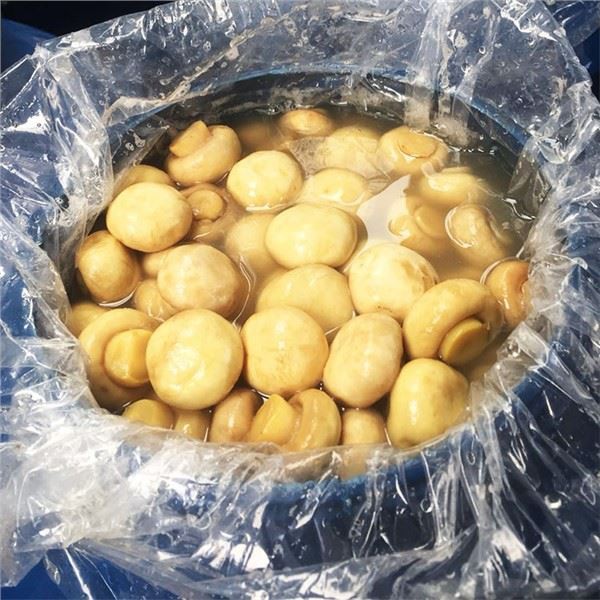

Hey there! I'm a supplier of Mushroom In SO2 In Drum, and I've been thinking a lot about how the altitude where the drum is stored can affect the relationship between SO2 and mushrooms. It's a pretty interesting topic, and I want to share my thoughts and findings with you all.
First off, let's talk a bit about why we use SO2 with mushrooms in the first place. Sulfur dioxide (SO2) is commonly used in the food industry as a preservative. When it comes to mushrooms, SO2 helps to prevent browning, inhibit the growth of microorganisms, and maintain the overall quality of the mushrooms during storage and transportation. It's a crucial component in keeping our Sliced Champignon in SO2 in Drum and other mushroom products fresh and appealing.


Now, let's get into the altitude factor. Altitude can have a significant impact on the storage conditions of our mushroom drums. At higher altitudes, the atmospheric pressure is lower compared to sea - level. This lower pressure can affect the behavior of the SO2 within the drum.
One of the main things to consider is the volatility of SO2. SO2 is a gas at normal temperatures and pressures, and it has a certain vapor pressure. At higher altitudes, with the reduced atmospheric pressure, the vapor pressure of SO2 becomes relatively higher in comparison. This means that SO2 is more likely to escape from the drum. When SO2 escapes, it can lead to a decrease in the concentration of SO2 within the drum.
A lower concentration of SO2 can have several consequences for our mushrooms. Without an adequate amount of SO2, the mushrooms are more prone to browning. The enzymes in the mushrooms that cause browning are no longer as effectively inhibited, so the mushrooms start to turn a darker color, which is not very appealing to consumers. Also, the growth of spoilage - causing microorganisms may increase. Microbes like bacteria and fungi can start to multiply more rapidly, leading to a shorter shelf - life of the mushrooms.
On the other hand, at lower altitudes, where the atmospheric pressure is higher, the situation is somewhat reversed. The higher atmospheric pressure helps to keep the SO2 within the drum. The SO2 is less likely to escape, and the concentration of SO2 remains more stable. This means that the mushrooms are better protected against browning and microbial growth.
Another aspect related to altitude is the temperature. Generally, as altitude increases, the temperature decreases. Lower temperatures can also interact with the SO2 - mushroom relationship. SO2 solubility in water (and mushrooms have a high water content) is affected by temperature. At lower temperatures, SO2 is more soluble in water. So, in high - altitude storage with lower temperatures, the solubility of SO2 in the mushrooms and the liquid in the drum may increase.
However, this increased solubility doesn't necessarily mean better preservation. If the SO2 concentration gets too high due to increased solubility and the lack of escape because of the cold temperatures, it can lead to a different problem. Excessive SO2 can leave an unpleasant taste and odor in the mushrooms. Consumers may detect a strong, sulfur - like smell, which can be off - putting.
In addition to these physical and chemical effects, altitude can also impact the handling and transportation of our mushroom drums. At high altitudes, the lower air density can affect the performance of vehicles used for transporting the drums. Trucks may have reduced engine power, and it can be more difficult to maintain a consistent temperature during transportation. This can further disrupt the delicate balance of the SO2 - mushroom relationship.
Now, let's think about how we can manage these altitude - related challenges. As a supplier, we need to be extra careful when storing our drums at different altitudes. For high - altitude storage, we might consider using more air - tight drums. These drums can help to prevent the escape of SO2. We can also adjust the initial concentration of SO2 when filling the drums. If we know that the drums will be stored at high altitudes, we can add a bit more SO2 initially to account for the expected loss.
When it comes to transportation, we need to ensure that the vehicles are well - equipped to handle high - altitude conditions. Temperature - controlled trucks are essential to maintain a stable environment for the drums. We also need to monitor the conditions inside the drums during transportation to make sure that the SO2 - mushroom relationship remains in a good state.
Our products, like Mushroom Agaricus in Conserve and Fresh Agaricus In Brine In Slice, are highly valued in the market. But we understand that the altitude - related challenges need to be addressed to maintain their quality.
We are constantly researching and testing new ways to optimize the storage and transportation of our mushroom drums at different altitudes. Our goal is to ensure that no matter where our products are stored or shipped, they reach the consumers in the best possible condition.
If you're in the market for high - quality mushroom products, whether it's for your restaurant, grocery store, or any other business, we'd love to talk to you. We have the expertise and experience to provide you with the best solutions for your mushroom needs. The altitude - related factors are just one part of our comprehensive approach to quality control, and we're confident that we can meet your expectations.
In conclusion, the altitude where the drum is stored has a complex and multi - faceted impact on the SO2 - mushroom relationship. It affects the behavior of SO2, the quality of the mushrooms, and the overall storage and transportation processes. But with careful management and continuous improvement, we can overcome these challenges and provide top - notch mushroom products.
If you're interested in learning more about our products or have any questions regarding the storage of our mushroom drums, feel free to reach out. We're always happy to discuss your specific requirements and how we can work together to ensure the success of your business.
References
- Smith, J. (2018). "The Effects of Atmospheric Pressure on Gas Behavior in Food Packaging". Journal of Food Science and Technology.
- Johnson, A. (2019). "Sulfur Dioxide as a Preservative in Mushroom Products". Food Preservation Research.