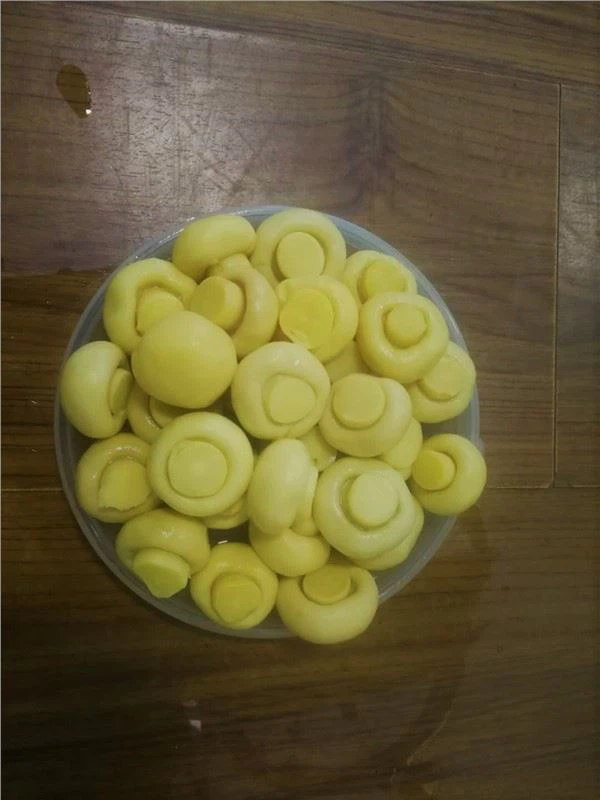

When it comes to food preservation, one common question that often arises is, "How long do champignons in vinegar last?" As a supplier of Champignons In Vinegar, I've encountered this query numerous times from both consumers and business partners. In this blog post, I'll delve into the factors that influence the shelf - life of champignons in vinegar, share some best practices for storage, and provide an estimate of how long you can expect them to remain fresh and safe to consume.
Understanding Champignons in Vinegar
Champignons, also known as white button mushrooms, are a popular variety of mushrooms used in many culinary dishes. When preserved in vinegar, they undergo a pickling process. Vinegar acts as a natural preservative due to its acidic nature. The acetic acid in vinegar creates an environment that inhibits the growth of bacteria, yeasts, and molds, which are the main culprits behind food spoilage.
The process of making champignons in vinegar typically involves cleaning the mushrooms, blanching them briefly, and then immersing them in a vinegar - based solution. This solution may also contain salt, sugar, and various spices to enhance the flavor. The end product is a tangy, flavorful mushroom that can be used in salads, sandwiches, and as a topping for pizzas and pastas.
Factors Affecting the Shelf - Life of Champignons in Vinegar
1. Quality of Ingredients
The quality of the champignons and the vinegar used plays a crucial role in determining how long the pickled mushrooms will last. Fresh, firm mushrooms with no signs of spoilage should be selected. High - quality vinegar with an appropriate acidity level is also essential. If the vinegar is too weak, it may not effectively inhibit the growth of microorganisms, leading to a shorter shelf - life.
2. Processing Methods
Proper processing is key to ensuring a long shelf - life. The mushrooms should be thoroughly cleaned to remove any dirt or debris. Blanching helps to kill surface bacteria and enzymes that could cause spoilage. The vinegar solution should be heated to a sufficient temperature to ensure that it penetrates the mushrooms and creates a stable preservation environment.
3. Storage Conditions
The way champignons in vinegar are stored has a significant impact on their longevity. They should be kept in a cool, dark place. Exposure to light and heat can accelerate the breakdown of the vinegar and the mushrooms, leading to changes in flavor, texture, and color. Refrigeration is highly recommended, especially after opening the container.
Shelf - Life Estimates
Unopened Containers
When stored in a pantry at room temperature (around 20 - 25°C or 68 - 77°F), unopened jars of champignons in vinegar can last anywhere from 12 to 18 months. This is because the sealed container creates a barrier that prevents oxygen and contaminants from entering. However, it's important to check the expiration date printed on the label, as this can vary depending on the manufacturer and the specific processing methods used.
If you choose to store unopened jars in the refrigerator, the shelf - life can be extended even further, up to 24 months. The cold temperature slows down the chemical reactions and the growth of microorganisms, preserving the quality of the mushrooms for a longer period.
Opened Containers
Once the container of champignons in vinegar is opened, the clock starts ticking. The mushrooms are now exposed to air, which can introduce oxygen and bacteria. When stored in the refrigerator at a temperature of around 2 - 4°C (36 - 39°F), opened jars of champignons in vinegar can last for about 3 to 4 weeks. It's important to keep the lid tightly closed to minimize air exposure.
Signs of Spoilage
It's essential to be able to recognize the signs of spoilage in champignons in vinegar. If you notice any of the following, it's best to discard the mushrooms:
- Mold Growth: Visible mold on the surface of the mushrooms or in the vinegar solution is a clear sign of spoilage. Mold can produce toxins that are harmful if ingested.
- Off - Odor: A foul, sour, or ammonia - like smell indicates that the mushrooms have gone bad. The normal smell of champignons in vinegar should be tangy and pleasant.
- Change in Texture: If the mushrooms become slimy, mushy, or have an unusual texture, they are no longer safe to eat.
- Change in Color: Discoloration, such as a darkening or a significant change in the color of the mushrooms or the vinegar, can be a sign of spoilage.
Best Practices for Storage
To maximize the shelf - life of champignons in vinegar, here are some best practices:
- Keep it Cool: As mentioned earlier, refrigeration is the best way to store opened jars. If you have an unopened jar that you don't plan to use immediately, consider storing it in the refrigerator to extend its shelf - life.
- Seal Tightly: Always make sure the lid of the container is tightly closed to prevent air and moisture from entering.
- Use Clean Utensils: When removing mushrooms from the jar, use clean utensils to avoid introducing bacteria into the remaining contents.
- Avoid Cross - Contamination: Do not let the mushrooms come into contact with other foods that may be contaminated.
Different Varieties of Champignons in Vinegar
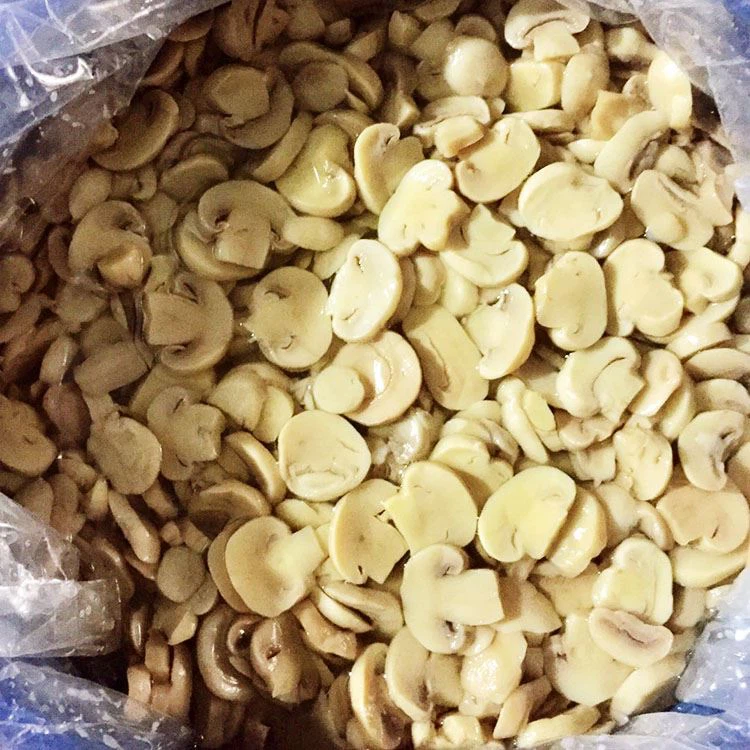
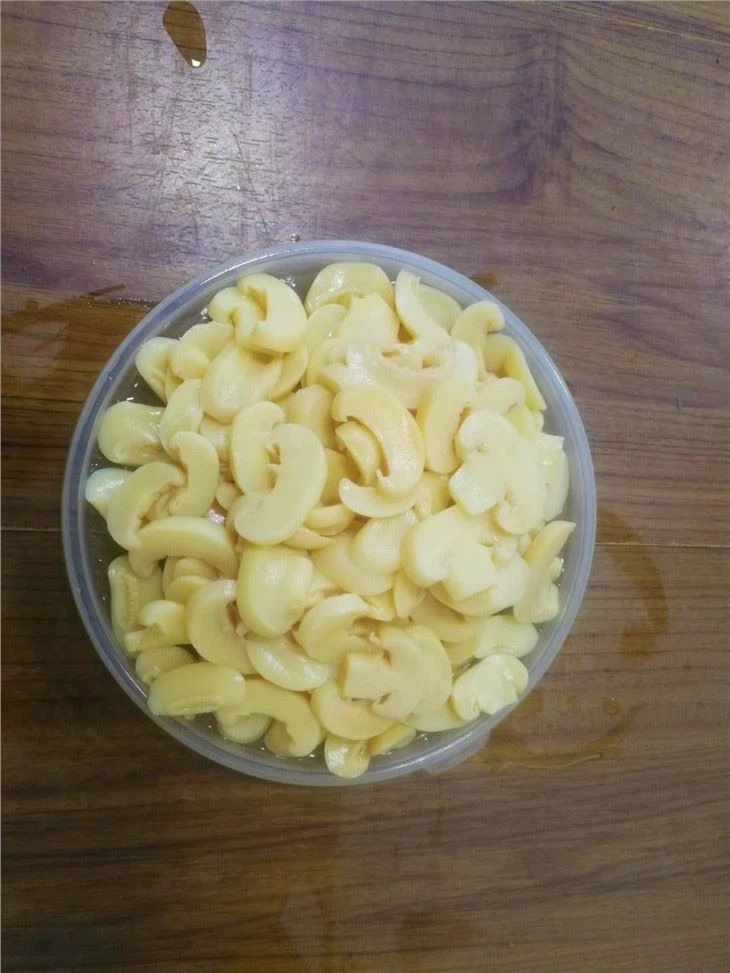
In addition to whole champignons in vinegar, there are also other popular varieties such as Sliced Champignon in Vinegar. Sliced mushrooms have a larger surface area exposed to the vinegar, which can lead to a quicker pickling process. However, they may also have a slightly shorter shelf - life compared to whole mushrooms, especially after opening.
Another related product is Mushrooms in Vinegar, which may include different types of mushrooms in addition to champignons. The shelf - life of these mixed mushroom products can vary depending on the types of mushrooms used and their individual characteristics.
Conclusion
As a supplier of champignons in vinegar, I understand the importance of providing high - quality products with a long shelf - life. By following the guidelines outlined in this blog post, consumers can enjoy the delicious taste of pickled champignons for an extended period. Whether you're using them in your home cooking or for your business, proper storage and handling are key to ensuring their freshness and safety.
If you're interested in purchasing our champignons in vinegar, we invite you to reach out for more information and to discuss your procurement needs. We offer a wide range of products to meet the diverse requirements of our customers.
References
- "Food Preservation Techniques", Food Science Handbook, 2020.
- "The Chemistry of Vinegar and Its Role in Food Preservation", Journal of Food Chemistry, Vol. 15, 2019.
- "Mushroom Preservation: A Guide to Pickling and Canning", Mushroom Growers Association, 2018.